
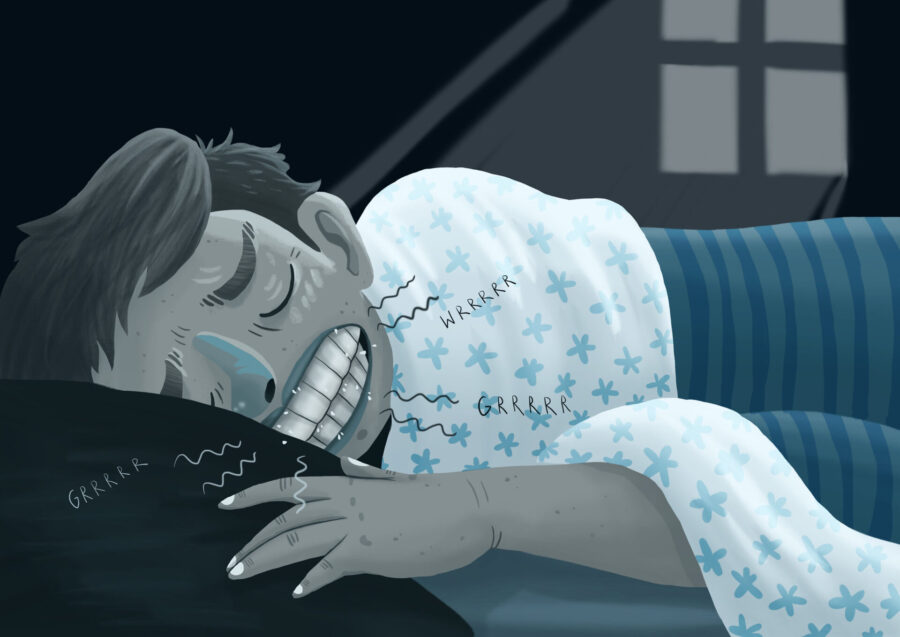
Nightguards in Bedford: Protecting Your Smile From Grinding and Jaw Clenching
July 17, 2026 9:00 amYou may wake up with a tired jaw and assume you slept in an odd position. Then a headache appears near your temples, one tooth feels sore when you bite, or your partner mentions a grinding sound that could compete with the ceiling fan. Those are common reasons people begin looking into a nightguard.
Teeth grinding and jaw clenching often happen without much awareness. Some people grind while asleep, while others press their teeth together during traffic, focused work, exercise, or stressful conversations. Over time, that repeated pressure can wear enamel, strain the jaw muscles, and place extra force on fillings, crowns, and natural teeth.
A nightguard creates a protective layer between the upper and lower teeth. It cannot switch off every clench or solve every source of facial pain, but it can reduce direct tooth-on-tooth contact and give the bite a safer surface to press against.
At Family Dentistry of Bedford in Bedford, TX, Dr. Jeff Davis can look for signs of grinding, check the jaw and bite, and determine whether a custom nightguard fits the problem. The evaluation is useful because several dental and medical concerns can feel like bruxism.
Grinding and Clenching Are Not Quite the Same
Grinding usually involves sliding or rubbing the teeth against each other. It can leave flat areas, rough edges, or matching wear patterns on opposing teeth. A family member may hear it at night before the person grinding has any idea it is happening.
Clenching involves holding the teeth together with sustained pressure. There may be very little movement, so the teeth do not always show dramatic wear. The jaw muscles can still work hard for long periods, which may leave the face feeling tight or tired.
Some people do both. They may clench through part of the day and grind during sleep. Dr. Davis will look at the wear patterns, muscle tenderness, symptoms, and condition of existing dental work rather than relying on one sign.
Signs You May Be Grinding at Night
Morning symptoms often provide the first clue. The jaw may feel stiff, the temples may ache, or the teeth may feel unusually sensitive when breakfast begins. Some people notice that opening wide feels less comfortable than it did the night before.
The teeth may also show gradual changes. Edges can become flatter, small chips may appear, or the enamel may look polished where opposing teeth repeatedly rub. A tooth may seem shorter than its neighbor even though no single accident occurred.
Grinding can also leave marks on dental work. A filling may chip, a porcelain crown may develop a rough edge, or a temporary restoration may break sooner than expected. These problems do not prove that grinding caused the damage, but the pattern may lead Dr. Davis to take a closer look at the bite.
Daytime Clenching Can Be Easy to Miss
Many people keep their teeth together while concentrating. It may happen during computer work, a long drive, weightlifting, or any moment that brings tension into the shoulders and face. Since there is no grinding sound, the habit can go unnoticed.
At rest, the upper and lower teeth generally should not stay pressed together. The lips may touch, but the jaw should have a small amount of space. Checking that position during the day can help reveal how often clenching occurs.
A useful reminder is to relax the tongue, let the teeth separate, and lower the shoulders. Phone alerts or notes near a computer can help at first. A nightguard protects the teeth during sleep, but daytime awareness is still needed when clenching continues while awake.
How Grinding Can Wear Down Teeth
Night after night, grinding can flatten the biting surfaces and thin the edges of the front teeth. Once enamel is lost, the body does not grow it back.
As the harder outer layer becomes thinner, the yellowish dentin underneath may become more visible. Teeth may also become sensitive because dentin responds more readily to temperature and pressure.
Severe wear can change the shape of the bite. The teeth may become shorter, chewing surfaces can lose their natural contours, and certain areas may begin carrying more force. Rebuilding heavily worn teeth can require more treatment than protecting them before the wear becomes extensive.
Clenching Can Crack a Tooth Without Much Visible Wear
A person who mainly clenches may have teeth that look fairly normal from the front. The pressure is still being directed through the crowns and roots each time the jaw tightens.
Teeth with large fillings may be especially vulnerable because less natural structure remains around the restoration. A cusp can crack, a piece may break away, or the tooth may begin hurting during chewing.
Cracks are not always easy to see on an X-ray. A patient may only notice a brief sharp pain when biting a certain way or releasing pressure. That symptom should be examined before the crack travels farther.
Dental Work Also Absorbs the Pressure
Crowns, veneers, bridges, fillings, and implant crowns are built to function during normal chewing. Grinding and clenching expose them to stronger and more frequent forces than a typical meal.
Porcelain can chip, filling material can fracture, and the cement holding a crown may weaken. A tooth beneath a restoration may also crack even when the restoration itself looks intact.
A nightguard can help protect both natural teeth and completed dental work. Dr. Davis may recommend one after placing several crowns, repairing worn teeth, or restoring a bite that has already been affected by bruxism.
How a Nightguard Protects the Teeth
A nightguard fits over one arch and creates a barrier between the upper and lower teeth. When the jaw tightens, the teeth press against the appliance rather than grinding directly against each other.
The guard also spreads pressure over a broader surface. Without one, a single tooth or small group of teeth may take much of the force. A properly adjusted appliance can distribute contact more evenly.
You may still clench while wearing it. The difference is that the teeth are no longer meeting enamel against enamel or porcelain against enamel. The guard takes the wear instead, which is far less expensive and uncomfortable than replacing part of a tooth.
A Nightguard Does Not Cure Bruxism
A nightguard can protect the teeth, but it may not stop the clenching itself. Some people still tighten their jaw at night, especially when they are stressed, sleeping poorly, or going through a rough stretch.
It can help to notice daytime clenching, work on sleep habits, and talk with a doctor about medications or other health issues that might be involved. Snoring, gasping, or feeling exhausted during the day may also point to a sleep problem that needs a closer look. The guard is there to take some of the wear while the cause of the grinding or clenching is being sorted out.
Jaw Pain Is Not Always Caused by Grinding
Pain near the jaw joint, ear, temple, or cheek can come from several sources. A tooth infection, sinus pressure, arthritis, muscle strain, or a temporomandibular disorder may produce similar symptoms.
That is why buying a nightguard based on jaw pain alone can miss the actual problem. Dr. Davis may check how widely the mouth opens, whether the jaw clicks or locks, and which muscles feel tender. The teeth and gums also need to be examined for infection or fractures. Nightguards are sometimes used for jaw-related symptoms, but they do not consistently relieve every type of temporomandibular pain.
When Snoring or Daytime Sleepiness Enters the Picture
Grinding can occur alongside sleep-disordered breathing. Loud snoring, gasping during sleep, morning headaches, dry mouth, and excessive daytime tiredness may point to a possible airway problem.
A standard nightguard is not a treatment for obstructive sleep apnea. In some cases, an ordinary guard may also affect the jaw or airway differently from an appliance specifically designed for sleep apnea.
Tell Dr. Davis about snoring, witnessed breathing pauses, or unusual daytime sleepiness before a guard is made. He may recommend speaking with a physician or sleep specialist so the breathing concern can be evaluated properly.
Custom Nightguards and Store-Bought Options
Drugstore guards are easy to find and cost less at the beginning. Some are softened in hot water and shaped at home, while others come in a more universal size.
They can feel bulky, fit loosely, or create uneven contact. A guard that covers only part of the teeth may allow uncovered teeth to shift or continue erupting. An appliance that changes the way the teeth meet can also leave the bite feeling strange in the morning.
A custom nightguard is made from a scan or impression of the teeth. Dr. Davis can adjust the biting surface so the opposing teeth contact it more evenly. The close fit usually makes the guard easier to keep in place while sleeping.
What Getting a Custom Nightguard Involves
Dr. Davis first examines the teeth for wear, cracks, loose restorations, decay, and gum concerns. He may also feel the jaw muscles and ask when the discomfort is strongest.
A scan or impression records the shape of the teeth. The appliance is then made to fit that arch rather than relying on the patient to mold it at home.
At the fitting visit, Dr. Davis checks how the guard seats and how the opposing teeth contact it. Small adjustments can remove a heavy spot or rough edge. A comfortable guard is more likely to stay in the mouth instead of quietly moving into the nightstand drawer.
Getting Used to Sleeping With It
The first few nights may feel awkward. The mouth may produce more saliva, and the tongue will notice the appliance constantly. Most people adapt as the guard becomes part of the bedtime routine.
The guard should feel secure without pinching the teeth or gums. It should not rock, fall out, or require hard biting to keep it in place. Morning tooth pain or a bite that stays altered should be reported.
Consistency helps. Wearing the guard only after a stressful day does not protect the teeth on nights when grinding happens without an obvious trigger.
Cleaning a Nightguard
Rinse the guard with cool or lukewarm water after removing it. A soft toothbrush can help clear away saliva and plaque, although abrasive toothpaste may scratch some materials.
Let it dry before closing it inside the case. A damp appliance stored in a sealed container can develop odor and buildup. The case should also be cleaned regularly.
Hot water can warp the guard, so avoid boiling it or leaving it in a hot car. Denture cleaner, appliance-cleaning tablets, or another product may be recommended based on the material.
When the Guard Needs an Adjustment or Replacement
A nightguard takes the wear that would otherwise reach the teeth, so scratches and shallow marks are expected. Deep grooves, cracks, holes, or a loose fit are signs that it needs attention.
The fit can also change after a filling, crown, bridge, or orthodontic treatment. Bring the guard to dental visits so Dr. Davis can check whether it still seats correctly.
Do not keep wearing an appliance that suddenly causes pain or changes the bite. An adjustment may solve the problem, but a distorted or heavily worn guard may need replacement.
Other Ways to Reduce Clenching Pressure
During the day, notice whether the teeth are touching when you are not eating. Let the jaw relax and keep a small space between the upper and lower teeth.
Heat on the jaw muscles, gentle stretching, and attention to posture may help with mild muscle tightness. Avoid aggressive jaw exercises unless they have been recommended for your specific symptoms.
Caffeine and alcohol can affect sleep and may worsen grinding in some people. Medication changes should always be discussed with the prescribing clinician rather than made independently.
Stress reduction is not a magic switch, but it can help when clenching rises during tense periods. Exercise, counseling, breathing exercises, and better sleep routines may be useful alongside dental protection.
Nightguards at Family Dentistry of Bedford
A nightguard may be worth considering when you wake with jaw fatigue, notice worn or chipped teeth, repeatedly damage dental work, or have been told that you grind in your sleep. It can place a protective layer between the teeth and reduce the direct wear created by clenching and grinding.
At Family Dentistry of Bedford in Bedford, TX, Dr. Jeff Davis can examine the bite, jaw muscles, teeth, and restorations before recommending an appliance. He can also check whether tooth pain or facial discomfort may be coming from another source.
Schedule an appointment with Family Dentistry of Bedford if your jaw feels sore in the morning, your teeth are showing new wear, or fillings and crowns keep breaking without an obvious reason. A custom nightguard may help protect the teeth before the next small chip becomes a larger repair.
Image from Authority Dental under CC 2.0
Categorized in: Nightguards, Teeth Grinding