
Porcelain Veneers vs. Teeth Whitening: Which Cosmetic Treatment Fits Your Goal?
September 24, 2026 9:00 amMaybe your teeth look more yellow in photos than they used to. Or perhaps one chipped corner, an uneven edge, or a darker front tooth keeps pulling your attention away from everything else. The treatment you choose depends a lot on whether you want to change color alone or change the way one or more teeth actually look.
At Family Dentistry of Bedford in Bedford, Texas, Dr. Jeff Davis offers professional teeth whitening and porcelain veneers. Whitening changes the shade of natural teeth, while veneers can change color, shape, length, and the appearance of certain small gaps. Sometimes one treatment is enough, and sometimes the best result comes from combining them.
Dr. Davis looks closely at how your teeth fit together, how much enamel is available, where old restorations sit, and how the teeth show when you smile. Those details help him choose an approach that looks natural and holds up well over time. Cosmetic dentistry is not just about making a tooth lighter or smoother; it takes careful planning to make sure the finished result fits the rest of your smile.
When Teeth Whitening May Give You the Change You Want
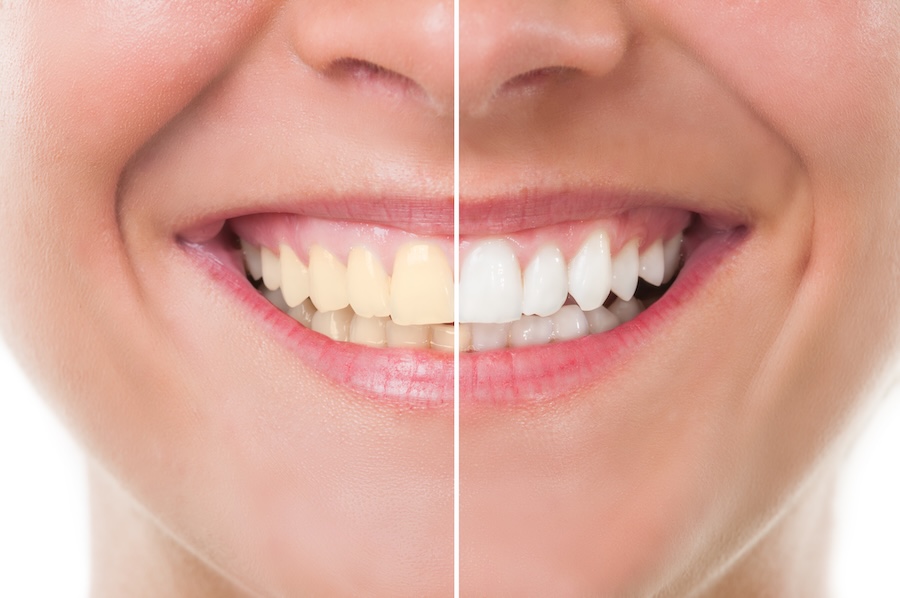
Professional whitening works well when tooth color is the main concern. Coffee, tea, red wine, tobacco, and years of everyday staining can leave enamel looking more yellow or dull than you remember. If the shape and spacing already look good to you, brightening the enamel may be enough.
At Family Dentistry of Bedford, we offer professional in-office whitening that can brighten teeth in about an hour. That can work well before a wedding, reunion, graduation, or simply when you are tired of seeing the same yellow cast in every photo. Because the treatment happens in the office, we can also watch how your teeth respond as we go.
Different types of discoloration respond differently to whitening. Coffee and tea stains may lighten very well, while a tooth that darkened after an injury can behave differently. Dr. Davis can look at the color and condition of your teeth beforehand and give you a better sense of what kind of change to expect.
Crowns, veneers, bonding, and tooth-colored fillings keep their existing shade during whitening. So if a filling on a front tooth currently disappears into the surrounding enamel, it may become easier to see after the natural tooth gets several shades lighter. We can account for that before whitening instead of letting it catch you by surprise afterward.
Sometimes the difference stays subtle enough that nothing else needs to be done. In other cases, an older restoration may look too dark once the surrounding teeth are brighter. Dr. Davis can point that out ahead of time so you know what may need to be matched later.
What Porcelain Veneers Can Change
Porcelain veneers are thin, custom-made restorations that cover the front surfaces of teeth. They can change the appearance of discoloration, chips, uneven edges, small gaps, and certain differences in tooth shape or alignment. They give Dr. Davis more control when the issue goes beyond shade alone.
Picture your two front teeth. One has a corner that chipped years ago, and the other looks slightly shorter beside it. Whitening can brighten both teeth, but it will leave those edges exactly as they are.
A veneer can reshape the visible surface while also changing the color. That can work well when one tooth stays darker than its neighbors or when a chip, narrow shape, or uneven edge keeps standing out. Dr. Davis can design the porcelain so it blends with the surrounding teeth instead of looking like a separate piece of dental work.
That kind of blending takes an experienced eye. Shade, translucency, tooth length, edge shape, and the way light reflects off the porcelain all affect how natural a veneer looks. Dr. Davis can take those details into account so the restored tooth fits the smile around it.
Preparing a tooth for a porcelain veneer usually requires removing a small amount of enamel. Because of that, veneers are a long-term treatment and need thoughtful planning. They can last many years with good care, although they may eventually need replacement.
What If One Tooth Keeps Catching Your Eye?
One tooth can be enough to make you focus on your smile differently. Maybe an old injury left a front tooth darker, one edge chipped when you were younger, or a tooth looks slightly narrower than the one beside it. In cases like that, Dr. Davis can focus on the individual tooth instead of treating the entire front of the smile the same way.
If a tooth has changed color, the first step is figuring out why. Previous trauma, changes inside the tooth, decay, and older dental work can all affect appearance. Once Dr. Davis knows what is happening, he can recommend a cosmetic option that fits the condition of that tooth.
Small shape changes may have more than one solution. A tiny chip may respond well to bonding, while a larger change in shape or color may be better suited to a veneer. The size of the area, the amount of enamel available, and the way your teeth come together all influence the decision.
Dr. Davis can also look at the tooth from more than a cosmetic angle. A front tooth may look uneven because of wear, bite pressure, an older filling, or the way it has shifted over time. Identifying the reason behind the appearance helps him choose a treatment that makes sense for both the tooth and the smile around it.
If the rest of your teeth also look darker than you would like, whitening often comes first. Once the natural teeth reach the shade you want, a veneer or other restoration can be matched to that brighter color. That order usually makes shade matching much easier.
Start With What You Keep Noticing
Your eye usually lands somewhere first when you look at a photo of your smile. Maybe it is the overall yellow tone, or maybe it is one front tooth with a tiny chip that somehow looks much bigger in pictures than it does in the mirror. That first reaction often gives us a good clue about what you actually want to change.
If your teeth already have the size, shape, and spacing you like, whitening keeps the focus on color. A chipped edge, uneven length, small gap, or tooth with a noticeably different shape gives Dr. Davis more to work with. Depending on the tooth, veneers or bonding may make more sense.
Photos can help when something is easier to see than explain. You may have one picture where the same tooth jumps out at you every time, especially from one angle. Bringing that in gives Dr. Davis a clear look at what you are noticing outside the dental chair.
It also helps to point out what you already like. Maybe the slight variation in your front teeth gives your smile character, and you want to keep that. Dr. Davis can preserve those natural differences while improving the areas that bother you.
Whitening and Veneers Can Work Together
Some patients whiten first and use veneers only on the teeth that still need a change in color or shape. That can work well when most of the smile looks good and only one or two teeth need more attention. It also makes it easier to coordinate the final shade.
For example, you may have healthy front teeth with years of coffee staining and one darker tooth with a chipped corner. Whitening can brighten the natural enamel across the smile. After that, a veneer can correct the darker color and reshape the chipped edge.
Porcelain keeps the shade selected when the veneer is made, so whitening is usually completed first. That gives Dr. Davis the lighter tooth color to match when the veneer is designed. If whitening happens later, the natural teeth could end up brighter than the porcelain.
The same issue can come up with older dental work that shows when you smile. Once the natural teeth reach the shade you want, Dr. Davis can match any new restoration to that color. Careful shade planning helps the finished smile look more consistent from tooth to tooth.
We Check the Teeth and Gums First
Before whitening or placing veneers, Dr. Davis will examine the teeth and gums involved. Cavities, gum inflammation, cracks, sensitivity, and aging dental work can all affect what needs to happen first. Taking care of those issues gives cosmetic treatment a healthier starting point.
Grinding or clenching can also influence how well veneers hold up over time. If you wake up with a tired jaw, have flattened front teeth, or have chipped dental work before, Dr. Davis may see signs that your teeth are taking a lot of pressure overnight. A custom nightguard may be recommended to help protect the teeth and restorations.
Existing sensitivity also comes up often with whitening. If one tooth already gives you a sharp jolt every time you drink ice water, Dr. Davis can check the source before treatment begins. That may change how whitening is approached or whether another issue should be treated first.
This kind of evaluation also gives Dr. Davis a chance to look at the whole smile instead of treating one tooth in isolation. He can check proportions, bite, gumline, older dental work, and the way the front teeth line up together. That broader view helps cosmetic work look like it belongs there.
Planning Around a Wedding, Reunion, or Other Big Event
If you have a date on the calendar, the timing can shape the treatment sequence. In-office whitening can usually be completed much faster than porcelain veneers, which require planning, preparation, and fabrication. Starting early gives us enough room to do each step carefully.
If whitening and veneers are both involved, whitening usually happens first so the porcelain can be matched afterward. That may require more than one visit and a little time between steps. Rushing that process the week before family photos is rarely ideal.
Even whitening is worth doing a little ahead of time. Some people notice temporary sensitivity afterward, and the final shade can settle over the next few days. Giving yourself some extra time lets you enjoy the result before the big event arrives.
Cosmetic Dentistry at Family Dentistry of Bedford in Bedford, TX
Professional whitening can brighten natural teeth when the shape and spacing already look the way you want. Porcelain veneers can also change chips, uneven edges, small gaps, and visible differences in tooth shape. For some patients, whitening first and placing one or two veneers afterward creates the most natural-looking blend.
At Family Dentistry of Bedford, Dr. Jeff Davis takes the time to look closely at the teeth you want to change and how they fit with the rest of your smile. His attention to shade, shape, bite, and proportion helps cosmetic work look balanced rather than overdone. Whether you are dealing with years of coffee staining, one chipped corner, or a front tooth that always seems to stand out in photos, he can help you understand what will give you the result you are looking for.
If you are considering teeth whitening or porcelain veneers, schedule a cosmetic consultation with Dr. Davis at Family Dentistry of Bedford in Bedford, Texas. We can take a close look at your smile, answer your questions, and put together a treatment plan that feels natural, thoughtful, and right for you!
Categorized in: Dental Veneers, Teeth Whitening