
Signs You May Need a Root Canal Before the Pain Gets Worse
May 12, 2026 9:00 amTooth pain has a way of getting your attention, but it does not always start out that way. Sometimes it begins as a small twinge when you drink something cold, a dull ache that comes and goes, or a tooth that feels a little “off” when you chew. Because the symptoms can be mild at first, many people wait to see if they go away on their own.
The problem is that pain from an infected or damaged tooth often gets worse with time. Once the inner part of the tooth becomes inflamed or infected, the body has a hard time resolving that issue without dental treatment. That is where a root canal may be needed.
At Family Dentistry of Bedford in Bedford, TX, Dr. Jeff Davis helps patients understand what is causing their tooth pain and whether a root canal can save the tooth. While the words “root canal” can sound intimidating, the treatment is designed to relieve pain, remove infection, and protect your natural tooth before the problem becomes more serious.
Lingering Pain After Hot or Cold Foods
A quick reaction to cold water or hot coffee does not always mean you need a root canal. Teeth can be sensitive for many reasons, including gum recession, enamel wear, or a small cavity. However, the timing of the pain matters.
If the discomfort lingers long after the hot or cold food is gone, that can be a sign that the nerve inside the tooth is irritated or inflamed. Instead of a brief zing, you may feel a deep ache that lasts for several seconds or even longer. That kind of lingering sensitivity is worth paying attention to, especially if it keeps happening in the same tooth.
This symptom can show up before severe pain begins. Because of that, it is often one of the earlier signs that the inside of the tooth may need treatment. Getting it checked early can help prevent the pain from becoming harder to manage later.
A Toothache That Comes and Goes
Not every serious dental issue hurts all the time. In fact, some teeth with nerve damage or infection may ache for a while, settle down, and then flare up again. That on-and-off pattern can make it easy to delay scheduling a visit.
A toothache that comes and goes may still mean something is changing inside the tooth. The pulp, which contains nerves and blood vessels, can become inflamed because of deep decay, a crack, trauma, or an old filling that is no longer sealing well. Even if the pain fades, the source of the problem may still be there.
If you find yourself noticing the same tooth repeatedly, even if the discomfort is mild, it is a good idea to have it examined. Waiting until the pain becomes constant can make the experience more stressful and may limit your treatment options.
Pain When Biting or Chewing
Pain when biting down can be another sign that the tooth needs attention. You may feel it when eating something firm, chewing on one side, or releasing pressure after a bite. Sometimes the pain is sharp, while other times it feels like soreness deep in the tooth.
This symptom can happen when infection or inflammation reaches the area around the tooth root. It can also happen if the tooth is cracked, which may allow bacteria to reach the inner layers of the tooth. Either way, bite pain should not be ignored.
A dental exam can help determine whether the issue is related to the nerve, the root, the bite, or the tooth structure. If a root canal is needed, treating the tooth can remove the infected or inflamed tissue and help restore comfortable chewing.
Swelling or Tenderness Around the Gumline
Swelling near a tooth is one of the signs that should be checked promptly. You may notice a small bump on the gums, tenderness near the root area, or swelling that comes and goes. In some cases, the area may feel sore when touched.
This can happen when infection inside the tooth drains through the gum tissue. Some patients notice a pimple-like bump on the gums, sometimes called a dental abscess or gum boil. It may appear, shrink, and come back again, which can make it seem less urgent than it really is.
Even if the pain is not severe, swelling can point to infection. A root canal may be recommended to clean out the infected tissue inside the tooth and stop the problem at its source.
A Darkened or Discolored Tooth
A tooth that becomes darker than the surrounding teeth may be showing signs of internal damage. This can happen after trauma, even if the injury occurred months or years earlier. It may also happen when the nerve inside the tooth is no longer healthy.
Discoloration does not always mean a root canal is needed, but it is something your dentist should evaluate. A tooth can change color when blood flow inside the tooth has been affected or when internal tissue begins to break down. Sometimes there is no major pain at first, which makes the color change an important clue.
If you notice one tooth looking gray, brown, or darker than the others, scheduling an exam can help determine what is happening inside the tooth. The sooner the cause is identified, the better the chance of preserving the tooth.
Deep Decay or a Large Filling That Starts Causing Trouble
A cavity that reaches deep into the tooth can irritate or infect the pulp. When decay gets close to the nerve, a regular filling may no longer be enough to solve the problem. At that point, a root canal may be needed to remove the damaged tissue and seal the inside of the tooth.
Large fillings can also become an issue over time. If a filling breaks down, leaks, or leaves the tooth weakened, bacteria may reach deeper areas. You may notice sensitivity, pressure, or discomfort around a tooth that was treated years ago.
This is one reason regular dental visits matter. Dr. Jeff Davis can check older fillings, cracks, and areas of decay before they become more painful. In many cases, catching the warning signs early can make treatment smoother.
A Cracked or Injured Tooth
A tooth can crack from chewing hard foods, grinding, an accident, or normal wear over time. Some cracks are easy to see, but others are not visible without a dental exam. That can make cracked teeth frustrating because the symptoms may be inconsistent.
You might feel pain only when biting at a certain angle. You may also notice sensitivity to cold or sweets. If the crack reaches the inner part of the tooth, bacteria can enter and cause inflammation or infection.
Not every cracked tooth needs a root canal. However, if the nerve is affected, root canal therapy may be the best way to save the tooth. Afterward, a crown is often recommended to protect the tooth and reduce the risk of further cracking.
What Happens During a Root Canal
A root canal is meant to relieve pain, not cause it. During treatment, the area is numbed so you stay comfortable. Once the tooth is numb, a small opening is made so the dentist can access the inside of the tooth.
The infected or inflamed pulp is removed, and the inner canals are carefully cleaned and shaped. After that, the space is filled and sealed to help prevent bacteria from returning. Depending on the tooth, a crown may be recommended afterward to restore strength and function.
Many patients are surprised that the appointment feels similar to getting a filling, just with more steps. The goal is to remove the source of pain while keeping your natural tooth in place.
Why It Is Better Not to Wait
Tooth pain can be unpredictable. It may feel manageable one day and much worse the next. While it is understandable to hope discomfort will pass, dental infections generally do not improve on their own once the inside of the tooth is involved.
Waiting can allow the infection to spread, increase swelling, or lead to more intense pain. In some cases, a tooth that could have been saved with a root canal may eventually need to be removed if treatment is delayed too long.
Getting checked early does not always mean you will need a root canal. Sometimes the problem is something simpler, like a small cavity, gum recession, or bite irritation. However, an exam gives you a clear answer instead of leaving you to guess.
Root Canal Care in Bedford, TX at Family Dentistry of Bedford
If you have lingering sensitivity, bite pain, swelling, or a toothache that keeps coming back, it is worth scheduling an exam before the pain gets worse. At Family Dentistry of Bedford in Bedford, TX, Dr. Jeff Davis can evaluate the tooth, explain what is causing the symptoms, and recommend the right next step.
Root canal treatment is often used to save a tooth that might otherwise continue to hurt or become more infected. When handled early, it can help relieve discomfort and restore normal function without removing the tooth.
If something has felt off, even if the pain is not severe yet, call Family Dentistry of Bedford to schedule a visit. A clear diagnosis can help you take care of the issue while it is still manageable.
FAQs
Does tooth pain always mean I need a root canal? No, tooth pain does not always mean a root canal is needed. Sensitivity, gum recession, small cavities, bite issues, and cracked fillings can also cause discomfort. A dental exam helps determine whether the nerve inside the tooth is involved.
What does root canal pain feel like? Pain that may point to a root canal often feels deep, lingering, or pressure-related. It may get worse with hot or cold foods, chewing, or touching the area around the tooth. Some people also notice swelling or a small bump on the gums.
Can I need a root canal even if the pain goes away? Yes, pain can fade even when the underlying issue remains. In some cases, the nerve inside the tooth may become less responsive as the problem progresses. That is why recurring or unexplained symptoms should still be checked.
Is a root canal painful? The tooth and surrounding area are numbed before treatment, so the procedure is usually more comfortable than people expect. Most patients feel relief afterward because the source of infection or inflammation has been removed.
What happens if I wait too long to treat an infected tooth? Waiting can allow the infection to spread, cause swelling, or make the tooth harder to save. In some cases, delayed treatment may lead to the need for an extraction instead of a root canal.
Will I need a crown after a root canal? Many back teeth need a crown after root canal treatment because they handle a lot of chewing pressure. A crown helps protect the tooth and reduce the risk of fracture. Dr. Davis will explain whether one is recommended for your specific tooth.
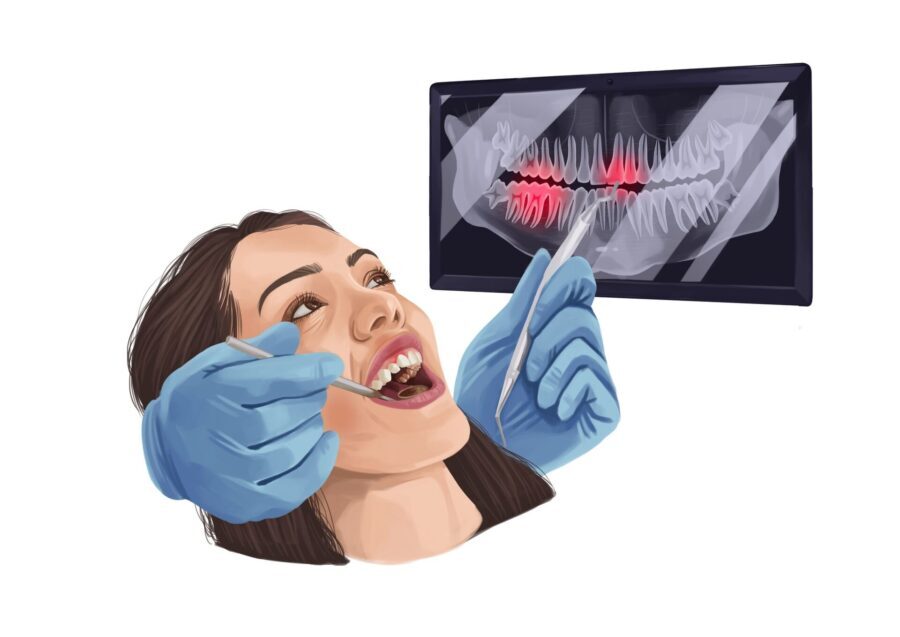
Image from Authority Dental under CC 2.0
Categorized in: Dental Tips, Root Canal Therapy, Toothaches