
This or That: Halloween Candy Edition
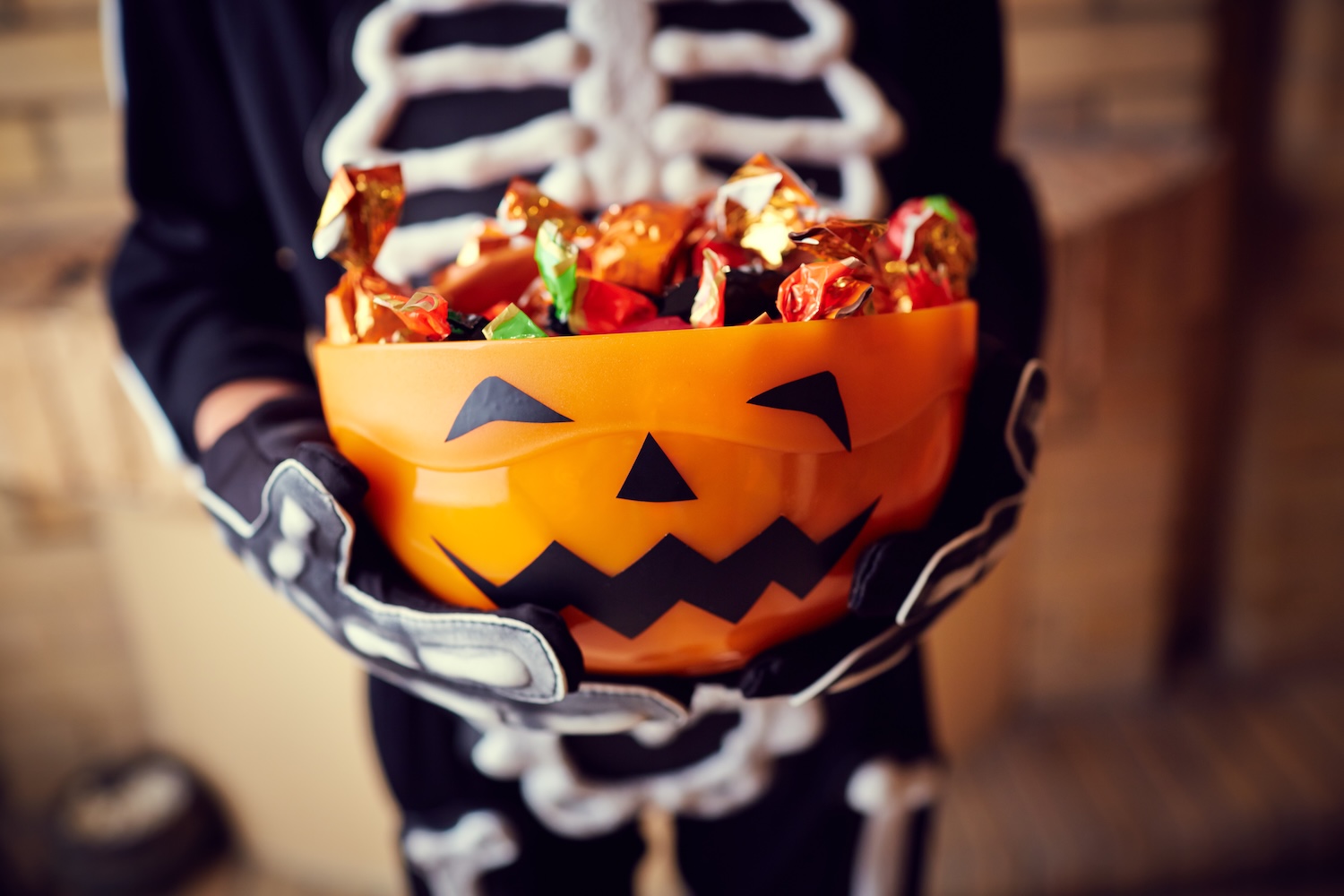
October 8, 2026 9:00 amThe candy bag comes home, and everyone knows which pieces they want first. There are trades to negotiate, favorite wrappers to find, and a few sweets nobody claims. Once the favorites are sorted, it is easy for that bag to become the snack everyone passes on the way through the kitchen. When you are deciding between Halloween candy choices, some clear from the mouth quickly while others cling to teeth or deliver sugar for much longer.
At Family Dentistry of Bedford in Bedford, Texas, we want you to enjoy the season with a little less sugar and acid lingering against your teeth. That might mean choosing plain chocolate over a chewy filling or having a favorite treat after dinner instead of taking pieces throughout the afternoon. Here’s how those Halloween candy choices affect teeth, from a sticky filling to a hard sweet that lasts all afternoon.
Plain Chocolate or Sticky Caramel?
Plain chocolate tends to melt and clear from the mouth more readily than sticky caramel. Meanwhile, chewy fillings can stretch between teeth and cling around grooves or dental work. If both are favorites, plain chocolate generally leaves less sticky residue behind.
Of course, chocolate still contains sugar. Bacteria in plaque—the sticky biofilm on teeth—use that sugar to make acids that remove minerals from enamel. However, a treat that clears more quickly leaves less residue for those bacteria to use between eating times.
Sticky caramel can tug on a crown that is already loose or on parts of braces. If the crown moves, another chewy bite could pull it off, leaving the tooth underneath exposed. The crown may be reusable if it and the tooth are sound, but decay or a fracture can mean the area needs another repair.
Plain Chocolate or Hard Candy?
A piece of plain chocolate usually disappears sooner than a hard candy you suck on until it dissolves. With the hard candy, sugar stays in the mouth for several minutes, and starting another one extends that contact again. As a result, a small handful eaten one at a time can keep your teeth exposed through much of the afternoon.
Hard candy also puts teeth under pressure if you bite through it, which can chip enamel or break a dental filling. For young children, it can pose a choking risk as well. Choose a texture they can safely manage, and avoid hard treats that require crunching, even if the portion looks small.
Sugar-free hard candy takes away much of the sugar concern, but biting it can still chip a tooth. Some versions also contain acids that wear enamel, and large amounts of certain sugar alcohols can upset the stomach. Check the ingredients and choose a texture your child can manage safely.
Sour Candy or a Less Acidic Sweet?
The tart flavor in sour candy often comes from acids that can soften enamel directly. Meanwhile, bacteria use its sugar to make more acid against the teeth. A less acidic sweet avoids that added acid, although the sugar still calls for the same attention to snack timing and cleaning.
If a sour sweet is a favorite, enjoy a portion and rinse with water afterward. Eating more every few minutes keeps bringing acid back against the teeth before saliva has much time to clear it. Water helps rinse the mouth, although it cannot reverse enamel that has already worn away.
Because acid temporarily softens enamel, rinse with water after a sour treat and wait about an hour before brushing so saliva has time to help the softened surface recover. Then use fluoride toothpaste and gentle pressure as part of the usual cleaning routine. Repeated reactions to cold or sweets may come from enamel wear, decay, or another problem, which we check during an exam.
Candy With Dinner or Candy Throughout the Afternoon?
Having candy with dinner or just afterward keeps the treat within one eating period. Saliva increases during the meal and helps clear some of the sugar and acids. In contrast, another piece every few minutes starts the exposure again, even if you never eat much at one time.
Small portions can add up when the bag stays beside you. You might take a piece while answering messages and another when you sit down later, without thinking of either as a snack (it was just a small handful—what’s the harm?). Enjoying a few favorites together after a meal gives the mouth a longer break before the next round of sugar.
To keep those breaks between sweets, pick a time that works with the family’s usual meals and snacks. There is no need to account for every wrapper; aim to avoid repeated sugar exposure throughout the day. Between those eating times, offer plain water so drinks do not continue what the candy started.
Water or a Sweet Drink With the Treat?
Water helps rinse away some residue without adding sugar. Pairing candy with soda, juice, or a sports drink adds more carbohydrates and often more acid. If your child wants candy, serving water alongside it keeps the drink from adding more sugar or acid.
Even after the candy is finished, the drink can keep the sugar exposure going if your child carries it around while sorting the bag. A few sips now and another later keep bringing sugar and acid back to the teeth. After the treat, switching to plain water lets the mouth clear what remains without starting that exposure again.
Water does not replace brushing and cleaning between teeth. Sticky residue can remain in places that a drink does not reach. Continue twice-daily brushing and help children clean between teeth where their teeth touch.
A Braces-Friendly Choice or a Sticky, Crunchy One?
Beyond sugar and acid, braces add another reason to check the bag for chewy, sticky, and hard pieces. Those can pull at brackets or bend wires, so choose softer treats such as plain chocolate without a sticky or hard filling. Braces aren’t the only appliances to think about after candy, either: if your teen wears clear aligners, putting the trays back in before brushing can trap leftover sugar against their teeth. Keep the orthodontist’s food guidance in mind when trying a candy you do not recognize.
Even softer sweets can leave small pieces around brackets, so help your child clean those areas afterward. A floss threader or another tool recommended by the orthodontist can reach where a toothbrush cannot. If a bracket loosens or a wire starts poking, contact the orthodontic team for repair instructions.
If a hard bite leaves a tooth sore or a filling rough, the candy may have broken an edge or revealed a problem that was already there. Repeated pain with sweets can also come from decay or an exposed sensitive surface. Until the tooth is examined, avoid hard bites on that area so you do not add more pressure to possible damage.
Enjoy Halloween With Our Bedford Team
Whether your family prefers chocolate or a sour treat, the frequency is something you can change without giving up every favorite. Keep up with bedtime cleaning, and contact Family Dentistry of Bedford in Bedford, Texas, if sweets bring on recurring pain or a filling feels damaged. Dr. Jeff Davis and Dr. Eric J. Jurecky can check the tooth and help with cleaning questions—enjoy the Halloween treats, and keep caring for those smiles after the last wrapper is gone!
Categorized in: Dental Tips